Gold Rush Exhibition

a.stewart • November 22, 2026

Otago’s gold story starts here in Waikouaiti.
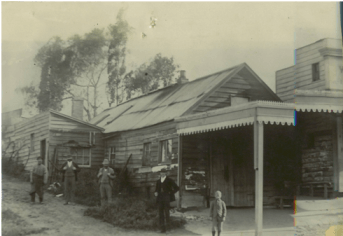
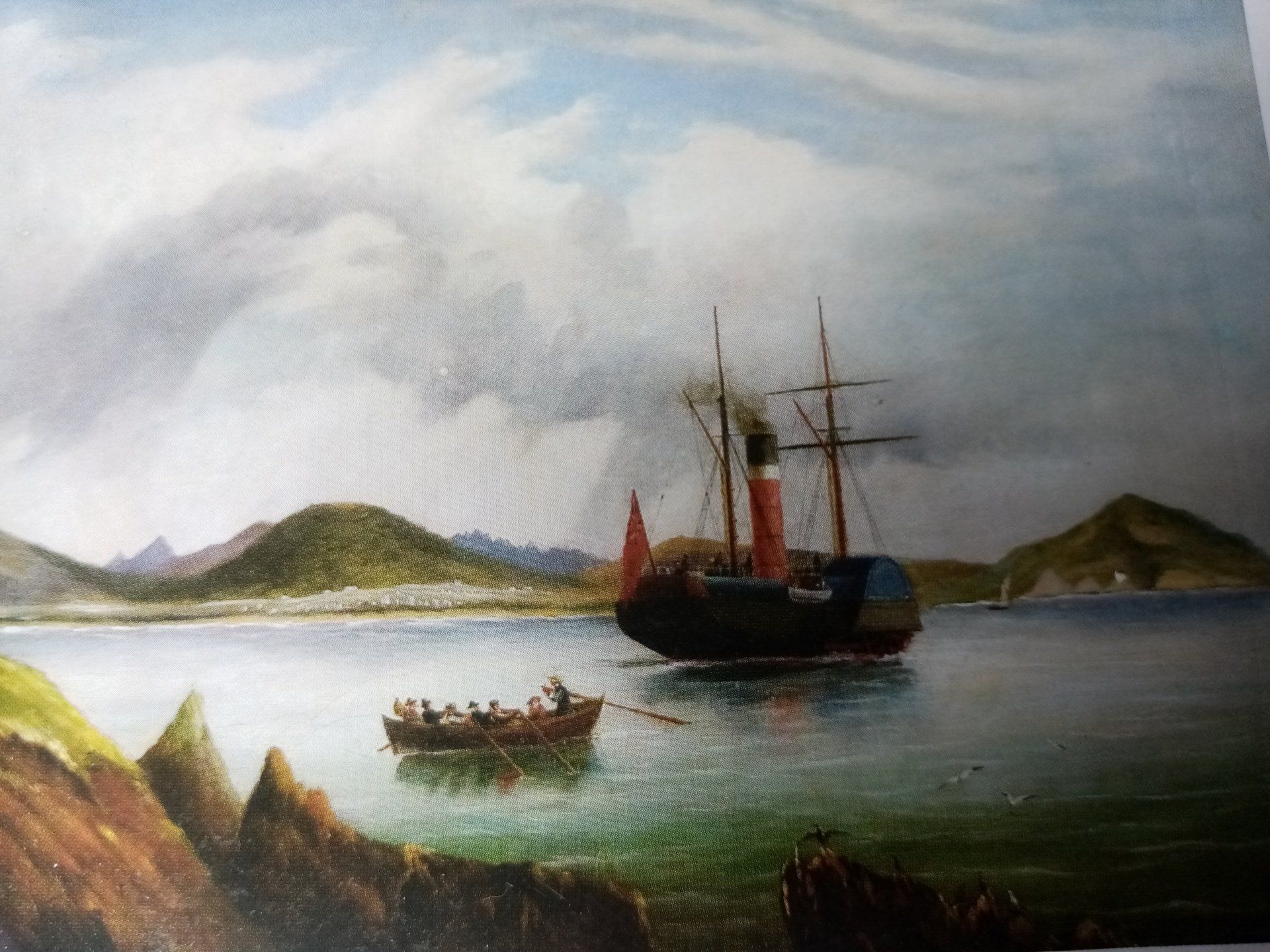
A small amount of gold had been found at nearby Goodwood as early as 1851. In 1861 diggers came ashore on the beach at Waikouaiti and set off eagerly along Beach Street. They were heading inland, over the hills to the Highlay goldfield near Macraes Flat, and on to the Lindis in the far north of Central Otago. Businesses and hotels soon sprang up to supply them. Over the following years Waikouaiti stayed an important starting point for the Central Otago goldfields, as miners and supply wagons headed up the Shag Valley to the Dunstan and beyond.


Beach Street became the main road of the busy new township. Most of the diggers came from the Victorian goldfields in Australia. Those who could afford it bought a tent, tools and food from the Beach Street shops, usually bread or ship’s biscuits.


A little bit of Melbourne

The diggers left their mark on the town’s map. Bourke Street, Collins Street and Geelong Street are named after streets in Melbourne. Ballarat Road and Bendigo Road are named after the goldfields the diggers had just left. After the winter of 1862 many of them went back to Australia. It was too cold, and there was too little gold at the Lindis and at the Highlay goldfield near Macraes Flat to keep them here.


The rush begins in earnest

In May 1861 Gabriel Read found gold at Gabriel’s Gully, near present-day Lawrence. He described it shining “like the stars in Orion on a dark frosty night.” That find started the real Otago gold rush. Dunedin grew quickly and became the main supply town for the goldfields.


How the gold was won

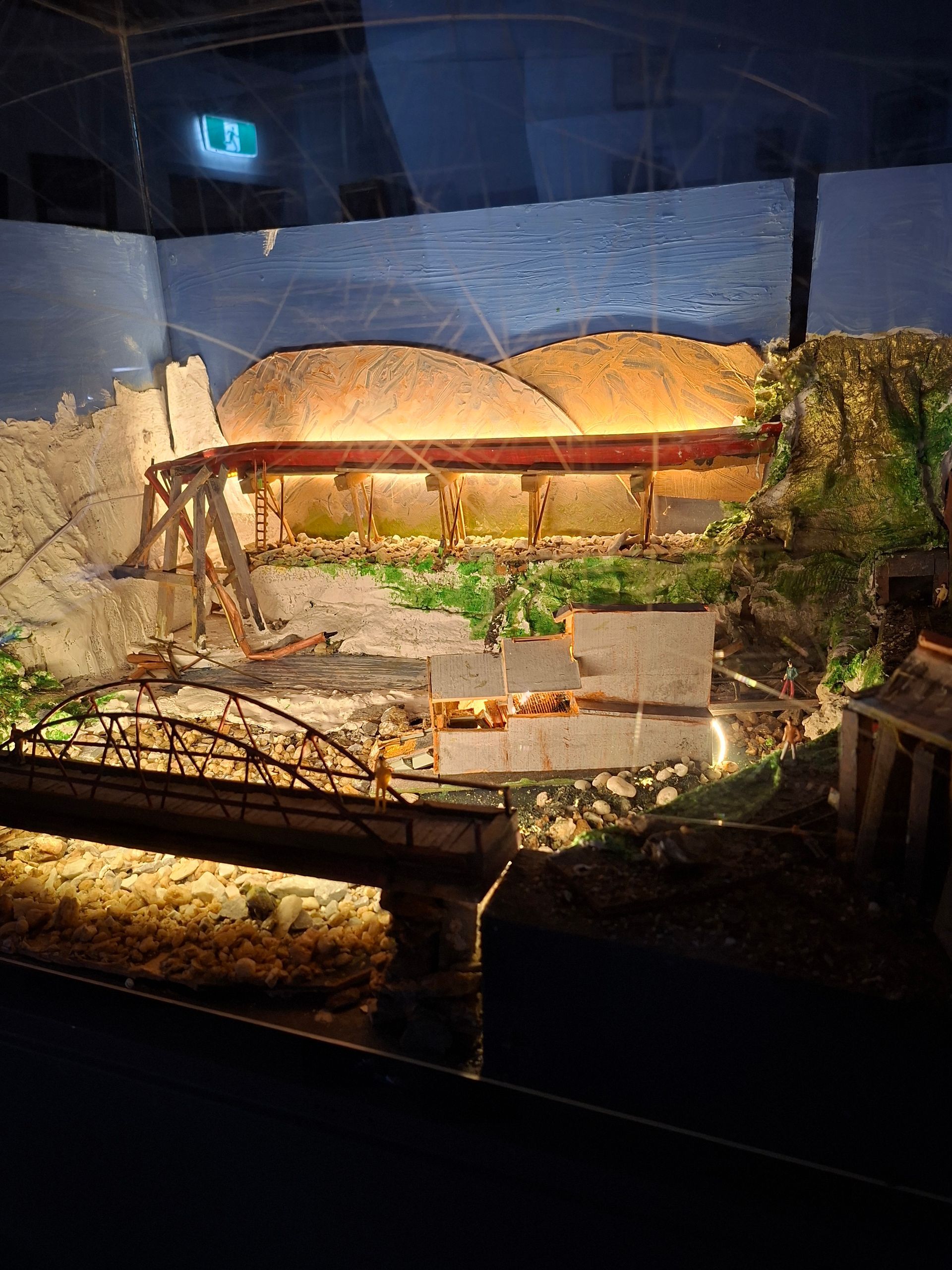
A model shows the main ways gold was mined in Otago from the 1860s onwards.


Panning. Miners swirled gravel from the riverbed in a pan, washing away the lighter material and leaving the heavy gold behind.


Sluicing. Water was brought in by races and flumes. It either fed a high-pressure hose that washed away whole banks of gravel or ran down a series of sluice boxes that caught the fine gold as the gravel washed through.


Underground mining. This was less common here. In many parts of the world gold is found in quartz seams running through hard rock. In Otago, as the mountains were pushed up and worn down over millions of years, gold was released from the schist rock and washed into the rivers and streams. That is why most Otago gold came from river gravels.


Dredging. More than 200 dredges once worked Otago’s rivers, and they won most of the region’s gold. Until the 1950s it was common to see these great machines of corrugated iron, steel buckets and timber “huffing” along the glacier-fed rivers. They rattled loudly as they chewed their way through the gravel banks.
 

By A Stewart • November 22, 2026
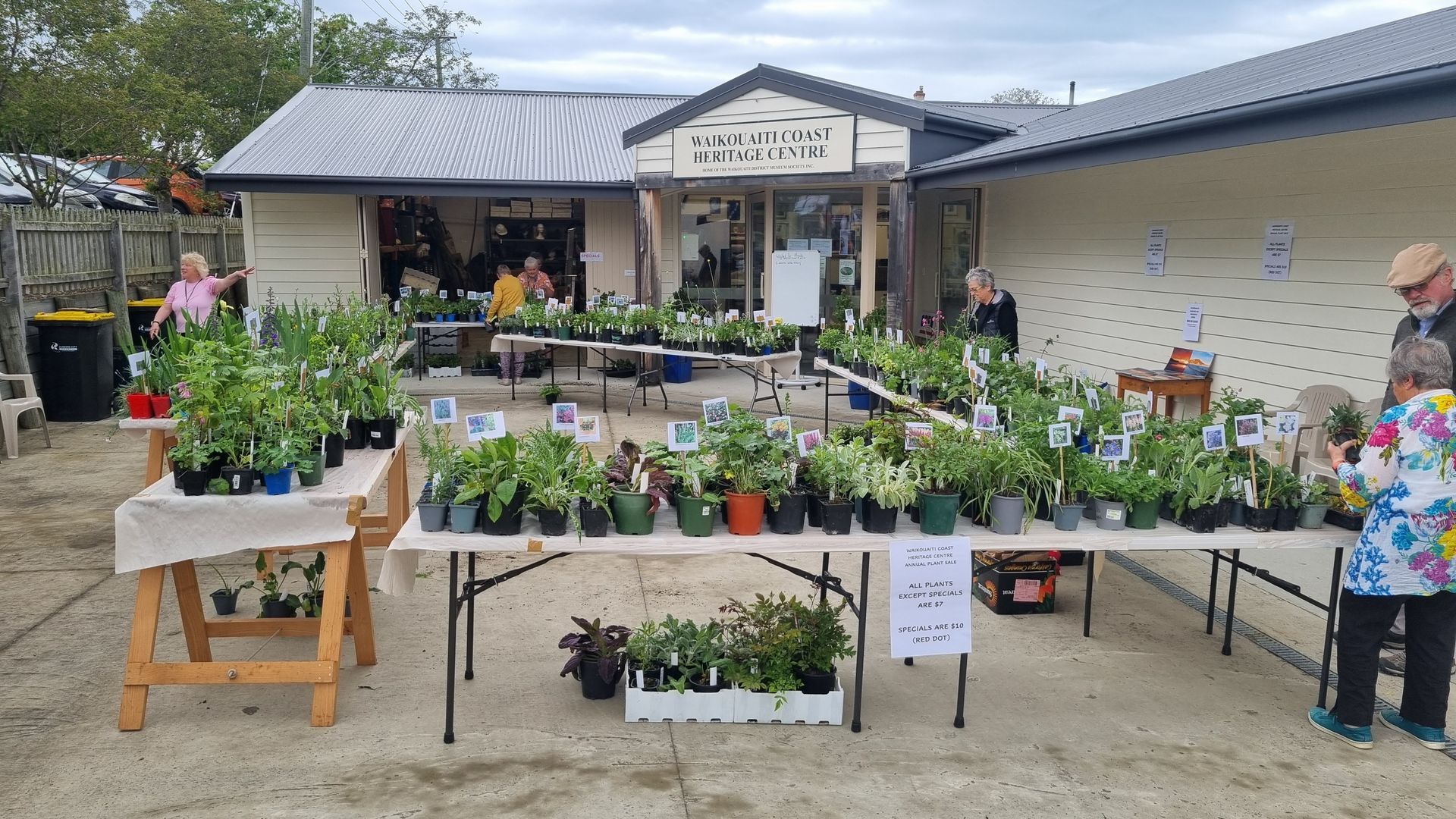
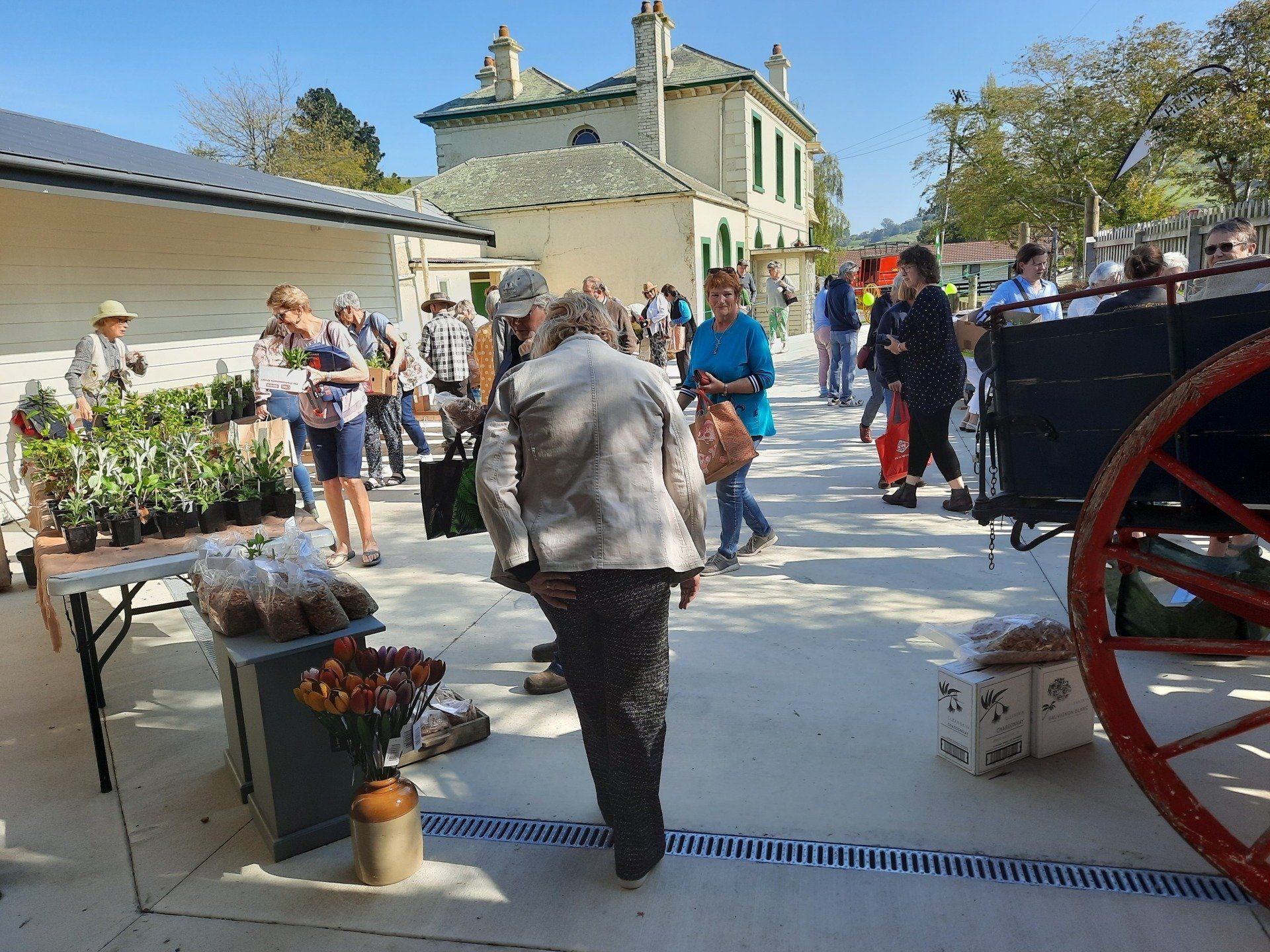
Our Labour Weekend plant sale was another great success, and the sun shone for most of the day. A big thank you to everyone who grew plants, helped set up and looked after customers. Thank you most of all to everyone who came along and bought plants. Your support makes a real difference to the Waikouaiti Coast Heritage Centre.
October 31, 2022
The body content of your post goes here. To edit this text, click on it and delete this default text and start typing your own or paste your own from a different source.
July 21, 2022
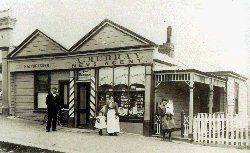
The building started life as Mr G. K. Browne’s stationery shop.
July 6, 2022
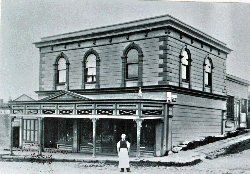
The original building, which went up in 1862, housed one of the oldest stores in Waikouaiti’s history.
June 23, 2022
This property was once the home of James Andrew Townsend and his wife Emily Elizabeth Fry.
June 9, 2022
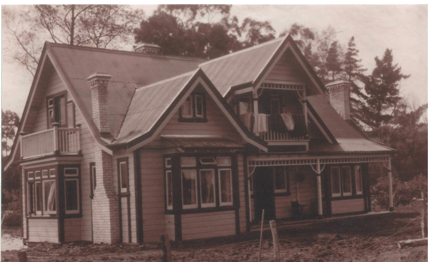
The two-storied timber home on the corner of Beach and Stewart Streets was built in 1911 and given to William Moore, a Dunedin solicitor and judge, by the builder as part payment of a debt and was used as a holiday home.
May 26, 2022
From the late 1880’s, 182 Main Rd Waikouaiti was a blacksmith’s shop.
March 31, 2022
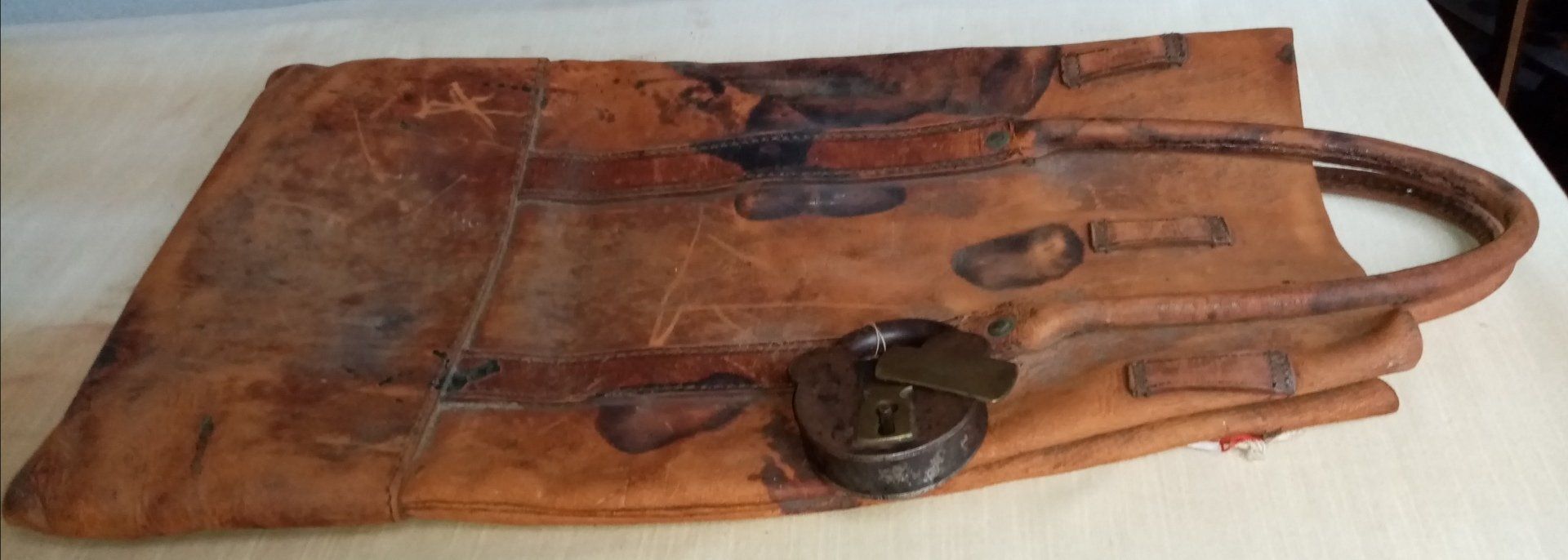
Waikouaiti has always had a close association with the Central Otago Goldrush of the 1860's which began with the discovery of the precious metal on the 25th of May 1861 by Gabriel Read. Waikouaiti witnessed thousands of hopeful prospectors make their way up Beach Street on their hazardous journey North to Tuapeka. The then very young settlement of Dunedin (founded 1848) reaped many of the benefits, for a period becoming New Zealand largest town. Many of the city's stately buildings date from this period of prosperity. New Zealand's first university, the University of Otago, was founded in 1869 with wealth derived from the goldfields. The current home to Waikouaiti's museum is a proud and significant building to its community. Built the same year as the University of Otago and designed by the prominent architect, Scottish born Robert Lawson, it began its career as a fortress BNZ Bank. With people and prosperity came the introduction of the iconic Cobb & Co Coach, which transported people and gold to and from Waikouaiti, Dunedin, the goldfields and back again. In the photo you see a coach parked outside The Golden Fleece hotel, across the road from the bank. A replica coach (built here in Waikouaiti) is installed a stones throw from the present day Golden Fleece and outside the old BNZ bank building. One of the Heritage Centre’s treasures, currently on display, is a large thick hide gold carry bag used by Waikouaiti's BNZ bank, along with a heavy lock from a strong box used to transport the gold bag on the coach to the bank.
March 21, 2022
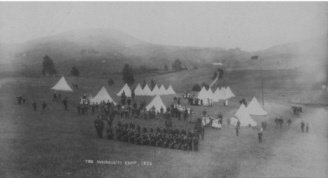
Intriguing early military photo unearthed
March 21, 2022
Discover the origins of the street names of Waikouaiti.